
Train Your Brain for Focus, Calm and Better Sleep.
Neurofeedback and Neurostimulation in San Jose and Santa Cruz California
Retrain Your Brain — With Neurotherapy
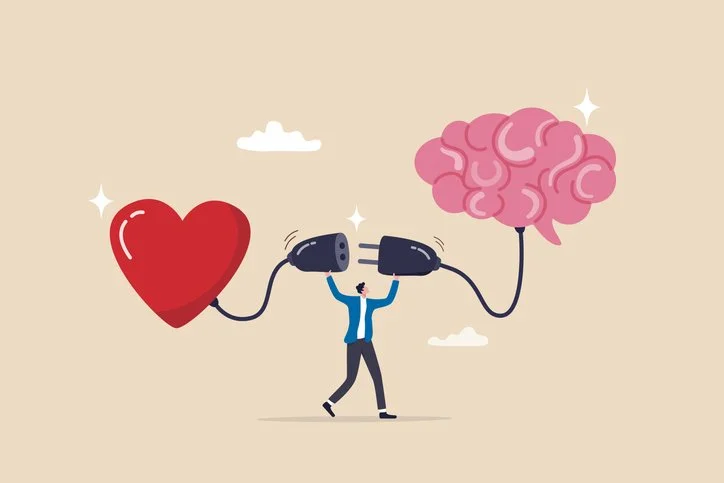
The good news…this isn’t because you’re not trying hard enough.
It's a brain pattern problem.
Being distracted, anxious, and struggling to get things done can make life harder than it needs to be.
Neurofeedback and Neurostimulation help your brain to learn healthier patterns so focus, calm, and rest can come more naturally instead of being a constant battle.
Maybe you've watched your child struggle to sit through homework or resist their impulses, and the rewards, consequences or medications haven’t been enough
Maybe your teen gets easily stressed or anxious, making every day social interactions and keeping up with school extra stressful.
Or maybe it's you, the adult who can't shut off your overthinking brain, who struggles to stay organized, or or feels a low level of stress that is hard to turn off.
What Can Neurofeedback & Neurostimulation Help With?
Focus and attention challenges Staying on task, motivation challenges, staying engaged, shifting gears
Calming hypervigilance and worry Overthinking, ruminating, 3 AM wake-ups, scanning for danger even when everything is fine
Stress and burnout overwhelm, feeling exhausted, irritable and losing your resilience and ability to turn off stress when it’s over
Emotional regulation and meltdowns Big reactions to small things. Getting stuck on topics, or having difficulty being flexible
Sleep struggles Trouble falling asleep or staying asleep
School, work, and performance pressure Test anxiety, fear of speaking, peak performance
What Are Neurofeedback and Neurostimulation? (And Why They're Probably Different from Everything You've Tried)
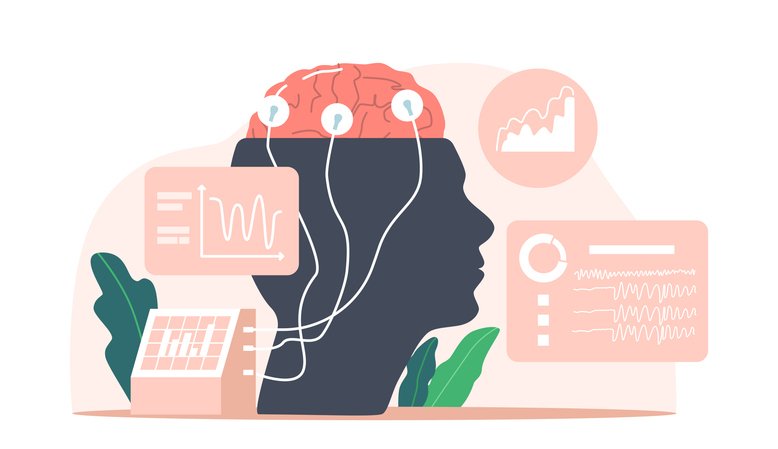
Neurofeedback is exercise for your brain.
During a session, sensors placed on the scalp read your brainwave activity in real time. That activity is connected to feedback you can see or hear, such as a movie, game, or sounds. When your brain shifts toward calmer, more focused, more regulated patterns, the feedback rewards it.
When your brain gets this feedback, it learns to do more of what works. Over repeated sessions, these healthier patterns become your brain's new norm even when you’re not training.
Neurostimulation gives the brain a gentle nudge in the right direction.
Where neurofeedback teaches the brain by rewarding it, neurostimulation uses low-level, gentle stimulation to encourage the brain toward calmer, more flexible activity. It helps to loosen stuck patterns so the brain can more easily settle into a better rhythm.
What Happens in a Neurotherapy Session?
Step 1: Assessing your needs: We talk with you to see what is a challenge for you or your child, assessing for your needs and making recommendations.
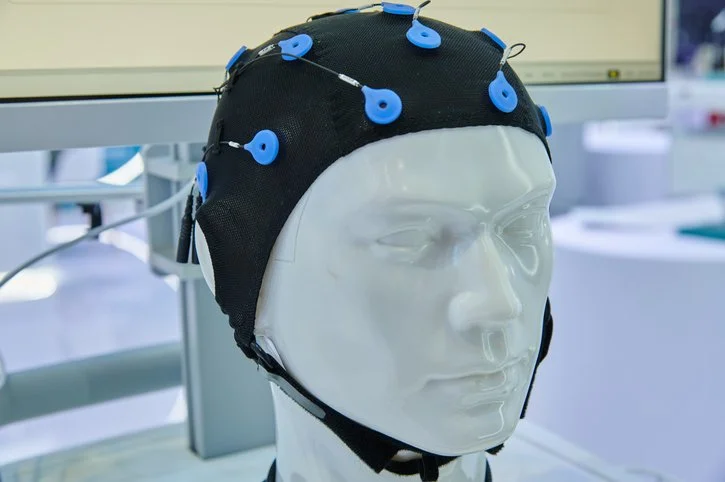
Step 2: Mapping your brain: We use a cap with electrodes on your scalp that read your (or your child’s) brain waves to see how your brain is working. We look for areas where it’s running too fast, or where it’s under-engaged, and match the patterns to your symptoms.
Step 3: Designing your training plan: We tailor your protocol to your specific brain patterns and goals.
Step 4: Training: You sit in a comfortable chair while sensors rest on your scalp. Then you watch a movie, listen to sounds, or play a simple game while your brain does the work or relaxes while you receive gentle stimulation. Kids often enjoy training as it as it feels more like screen time than treatment. Many adults find sessions genuinely relaxing.
Step 5: Re-evaluating: We track your symptoms using ratings, and also re-map your brain periodically to see what is changing and make adjustments in training to continue to improve your challenge areas.
Though you are spending limited time training or receiving stimulation, your brain takes this and can change how you feel day to day.
People often report:
Less overwhelm
Better sleep
More resilience
Better concentration and productivity
Less meltdowns
Locations for Neurotherapy:
San Jose, CA
Santa Cruz, CA

You and your child deserve more than coping strategies. You deserve a nervous system that works with you.
Schedule your free 20-minute consultation today.
Questions?
FAQs
-
A: No. Neurofeedback only reads your brain activity—like a mirror showing your brain what it's doing. Your brain does all the changing itself. Neurostimulation does use gentle, low-level stimulation, and it's carefully adjusted to you.
-
A: Most kids enjoy neurotherapy. Sessions involve watching a show or playing a game while the sensors quietly do their job. For some that are not as interested in doing therapy, neurotherapy can feel easier, as there is not a need to talk about feelings.
-
A: No. Neurofeedback can work alongside therapy, coaching, tutoring, and medication. You can keep working with your other providers, and any adjustments you make to your medication should be determined with your prescriber.
-
A: Those tools are having you practice a skill consciously without feedback about whether you’re doing it right. Neurofeedback and neurostimulation work more precisely with your brain patterns to give more targeted support. It’s like the difference between generic advice and a personal trainer who can see exactly what your brain is doing.
-
A: It varies by person and goal. Some people notice shifts within the first handful of sessions; lasting change typically takes a longer course of training, often in the range of 20–40 sessions. We track progress together with you and adjust as we go to get you the fastest relief possible.
-
A: Neurotherapy is not painful. Sensors rest on the scalp with some electrode paste. Most people find sessions relaxing.
-
A: No. You remain fully awake, aware, and in control. You're not in a trance—you're simply allowing your brain to process while experiencing bilateral stimulation. You can stop at any time.
-
A: Neurofeedback and Neurostimulation can help both adults and kids. Adult brains are changeable throughout life. I work with adults on focus, anxiety, stress, burnout, and sleep, and I also work with kids and teens for these issues as well.
-
A: Some people come in with a preference to start with Neurotherapy, Brainspotting or EMDR. Some want therapy and to talk through the challenges they face, and others prefer to work directly on brain patterns, without doing therapy. I work with a client’s preference, and can give recommendations as needed as to what kind of approach is most likely to be helpful. For some Brainspotting and EMDR are enough to clear trauma and restore them to feeling ease and calm. For others, who may have experienced chronic trauma, and have some lingering brain dysregulation, or have ADHD or OCD or chronic anxiety alongside trauma, neurotherapy can be a wonderful added modality that can bring further relief.
Optimize and Thrive Therapy is a private practice led by Allison Shotwell, LMFT, serving clients in San Jose and Santa Cruz, CA, as well as online across California and Oregon. The practice specializes in rapid relief for anxiety, trauma, and performance issues using advanced neurological therapies rather than traditional talk therapy. Allison utilizes modalities such as EMDR, Brainspotting, Neurofeedback and Neurostimulation to treat conditions like ADHD, OCD, phobias, narcissistic abuse, and burnout, offering a targeted approach that aims to dissolve distress at its source for lasting physiological and emotional change.